Make the camera work
Local shutter, reliable SD storage and USB power. Useful even with the Stick switched off.
A little camera.
A shutter in your pocket.
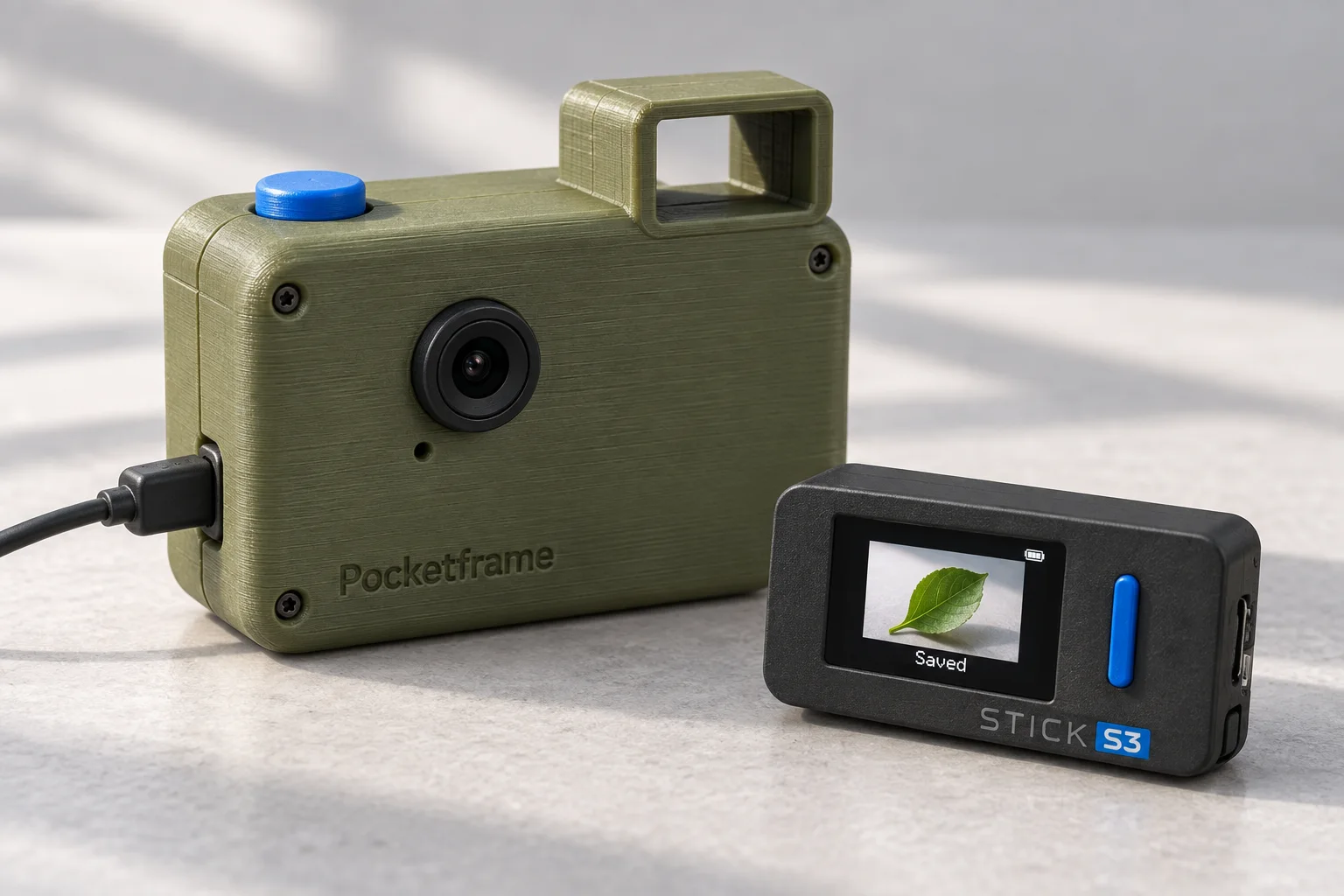
I’m building a small camera that saves photos to its own SD card and works on its own. A StickS3 becomes a wireless shutter and a pocket screen for checking what I’ve captured. The first version will run from a USB power bank; a printed enclosure, physical viewfinder and LiPo power come as the build develops.
Two existing devices, with a new job together.
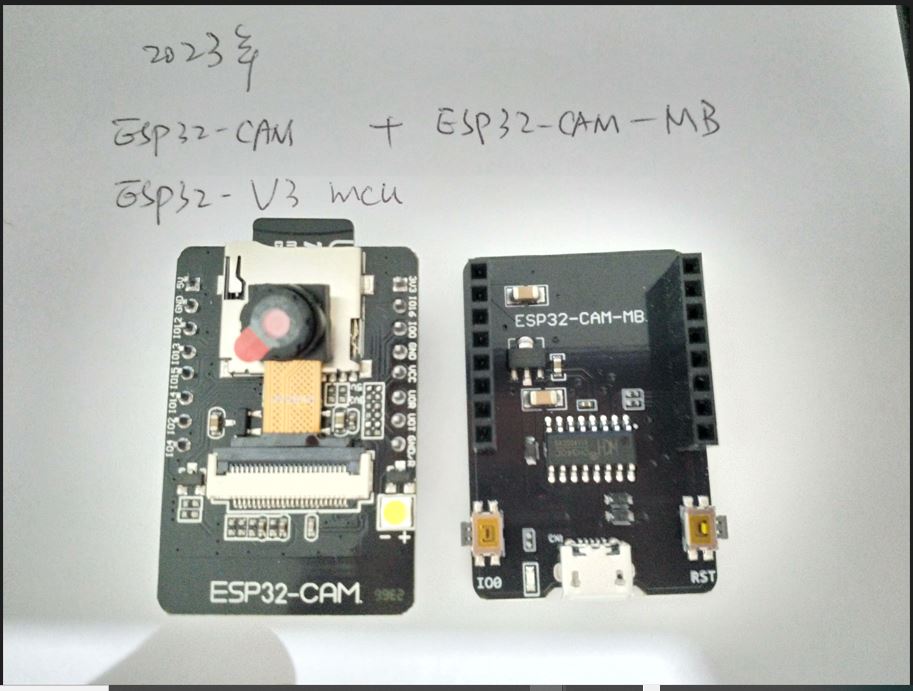
ESP32-CAM and its USB dock. The photograph shows the boards apart; they plug together. A separate shutter button is planned.
Reference hardware photo, not Trevor’s unit. Photo: xiaolaba.
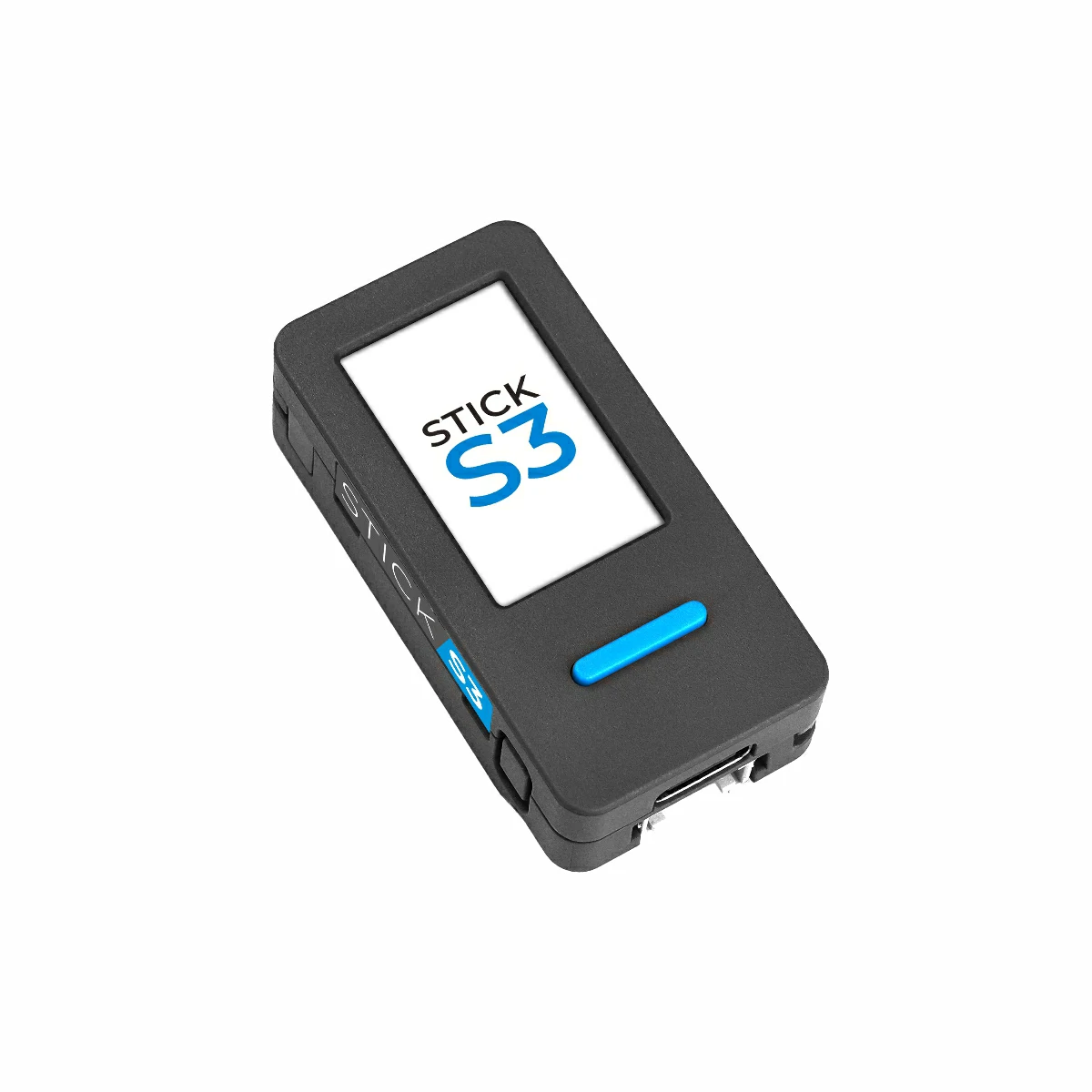
M5Stack StickS3. Press to capture remotely, then check a small preview of the exact photo saved on the camera.
Manufacturer reference photo, not a working Pocketframe screen. Photo: M5Stack.
An editable CAD study. Drag to orbit, or compare the views below.
Assembled study: 64 × 52 × 32 mm body, excluding lens and viewfinder.
Rounded shell, removable rear lid, blue shutter and an open framing viewfinder. Internal blocks reserve room for the two boards. Port positions, mounts and clearances need physical measurement; this draft is not ready for a fit-critical print.
The Stick shows what was captured. Refreshing the screen won’t take another photo.
Interactive screen mockup. No device is connected.
Proposed landscape layout. Sample image is an illustration.
Design is underway. Firmware and physical fit are next.
Local shutter, reliable SD storage and USB power. Useful even with the Stick switched off.
Direct Wi-Fi, remote capture and a matching thumbnail. No phone or internet in the loop.
Measure the hardware, refine the printed case and viewfinder, then integrate LiPo power.
The hero is an AI-generated concept and the 3D view is an editable draft, not a completed Pocketframe. The planned hardware is an ESP32-CAM with its ESP32-CAM-MB USB dock and an M5Stack StickS3 remote. Hardware photographs are credited reference images used with permission, not photographs of Trevor’s completed build. Firmware behavior is proposed; the screen demonstration is simulated.